

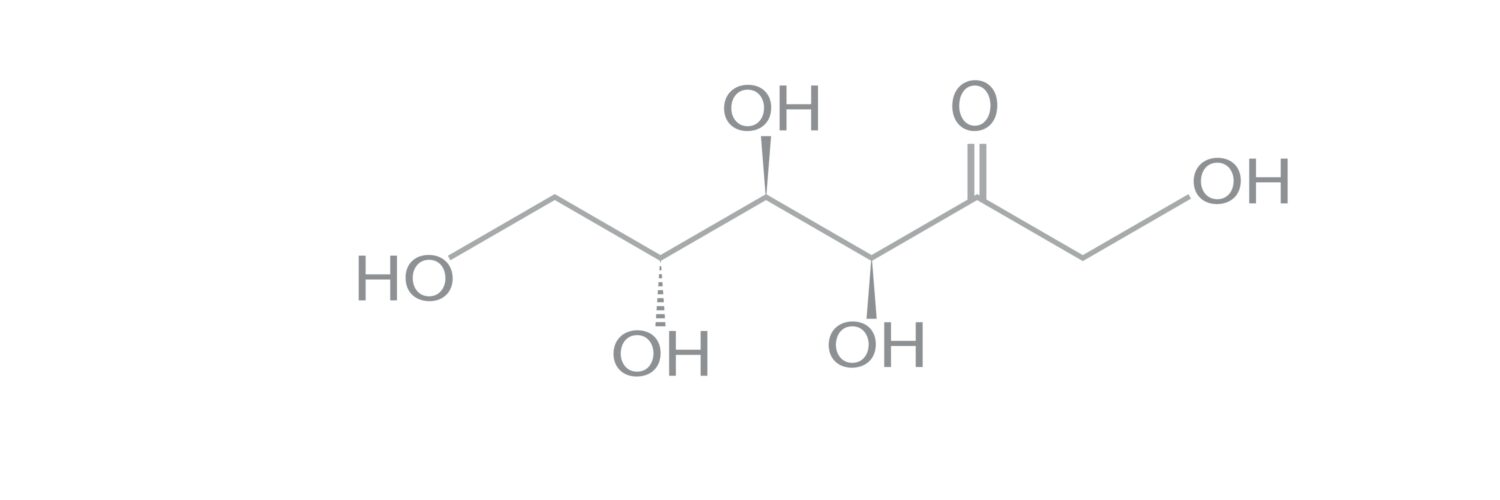
Fructose is a common ingredient found in almost all packaged foods and soft drinks. As a result, a growing number of people struggle with weight issues, metabolic syndrome, and other diseases.
Table sugar, high fructose corn syrup, and agave nectar are examples of sweeteners that contain high amounts of fructose. Evaporated cane juice is sugar with a healthy sounding name, so it also contains a substantial amount of fructose.
Fructose-containing sweeteners are not identical to fruit. Nature provides protection against the damaging effects of fructose with enzymes, fiber, and vitamins.
Even so, those who are overweight or have other metabolic issues like insulin resistance should limit their fruit consumption. An altered metabolism can result in carbohydrate sensitivity, making you more prone to weight gain and higher blood sugar levels than average.
Fructose Causes Weight Gain
Fructose is an appetite stimulant. You have two hormones that regulate your appetite: leptin and ghrelin. Leptin is produced in your fat cells. It determines when you’ve had enough and sends messages to your brain that it is time to stop eating.
Ghrelin works in opposition to leptin. It tells your brain that you need more food, increasing your hunger and appetite.
Fructose doesn’t activate leptin, rendering it unable to do its job by making you feel full and satisfied. Many who struggle with weight problems are “leptin resistant”. This means that more leptin is needed in order to get the fullness message to the brain. People who are obese produce much more leptin than those who are lean.
Fructose doesn’t stop ghrelin. The brain continues to be told that the body needs more food, which increases appetite and cravings. Leptin and ghrelin compete to get their messages to the brain.
Lean people have a healthy balance of leptin and ghrelin, which allows the necessary messages to reach the brain at the proper times. Those who are overweight have an imbalance in these hormones, causing a miscommunication between the body and the brain.
Fructose is Cancer Food
Your body uses transporters to carry molecules around the body. GLUT5 is a transporter that carries only fructose. When the fructose you consume reaches the small intestine, GLUT5 transports it to tissues throughout the body.
As the amount of sugar in the diet increases, more GLUT5 transporters are “hired” in order to distribute fructose. This makes it more absorbable. The more transporters you have, the more fructose is getting into your cells.
Higher concentrations of GLUT5 are found in people with glucose intolerance, high blood pressure, and cancer.
Cancerous tissue contains high amounts of GLUT5, so tumor cells have higher rates of fructose absorption. Cancer prefers fructose for sustenance over other substances. The more that is available and absorbed into body tissues, the greater the ability of cancer cells to proliferate and spread.
Fructose Causes Non-Alcoholic Fatty Liver Disease
Your body doesn’t see any difference between fructose and alcohol. Both are hepatotoxins, destroying and damaging liver cells. Both place tremendous stress on the liver that leads to inflammation and liver disease.
The number of people diagnosed with non-alcoholic fatty liver disease is growing. Even children suffer from this dangerous, avoidable illness. The fact that fructose consumption continues to increase along with cases of liver disease is no coincidence.
Fructose Speeds Aging and Age-Related Disease
Sugars bind to proteins and fats in a process called glycation. These advanced glycation end products (AGEs) promote the signs of aging and disease. Once they are formed it is nearly impossible to reverse them.
AGEs interfere with the production of skin collagen, leading to wrinkles and skin damage. They promote hardening of the arteries and decrease levels of high density lipoprotein (HDL). Low HDL is associated with a greater risk of heart disease. Those who have type 2 diabetes have high levels of AGEs in their body tissue.
Fructose consumption boosts the production of AGEs seven-fold. Although everyone who is living, eating, and breathing produces AGEs, it is possible to slow them down by eating healthy, minimizing stress, and exercising regularly.
Fructose Causes Cardiovascular Disease and Metabolic Syndrome
Uric acid is most widely known for its role in gout, a painful condition where sharp crystals form in the joints (usually the big toe). Fructose consumption raises levels of uric acid in the blood, which is a common risk factor associated with metabolic syndrome.
Metabolic syndrome is made up of cardiovascular risk factors that include obesity, glucose intolerance, insulin resistance, high triglycerides, and high blood pressure. High uric acid levels are frequently found in those who exhibit these symptoms.
Sugar contains fructose, which is a toxin that causes a variety of health problems. The consumption of fructose continues to increase because sugar is common in many processed foods and beverages. Eliminating fructose from your diet promotes weight loss, improves health, and reverses disease. You can do this by drinking only water, coffee, and tea while eating only real foods: meats, eggs, vegetables, and fruits.
Resources:
Basque Research. “Action Of Ghrelin Hormone Increases Appetite And Favors Accumulation Of Abdominal Fat.” ScienceDaily, 20 May 2009. Web. 6 Apr. 2012.
“A Role for Ghrelin in the Central Regulation of Feeding.” Nature 409 (2000): 194-98. Print.
Davis, Caroline. “Maternal Diet and Offspring Development.” Addiction 106.7 (2011): 1215-216. Print.
Douard, V., and R. P. Ferraris. “Regulation of the Fructose Transporter GLUT5 in Health and Disease.” AJP: Endocrinology and Metabolism 295.2 (2008): E227-237. Print.
Nakagawa, T. “A Causal Role for Uric Acid in Fructose-induced Metabolic Syndrome.” AJP: Renal Physiology 290.3 (2005): F625-631. Print.




Add comment