

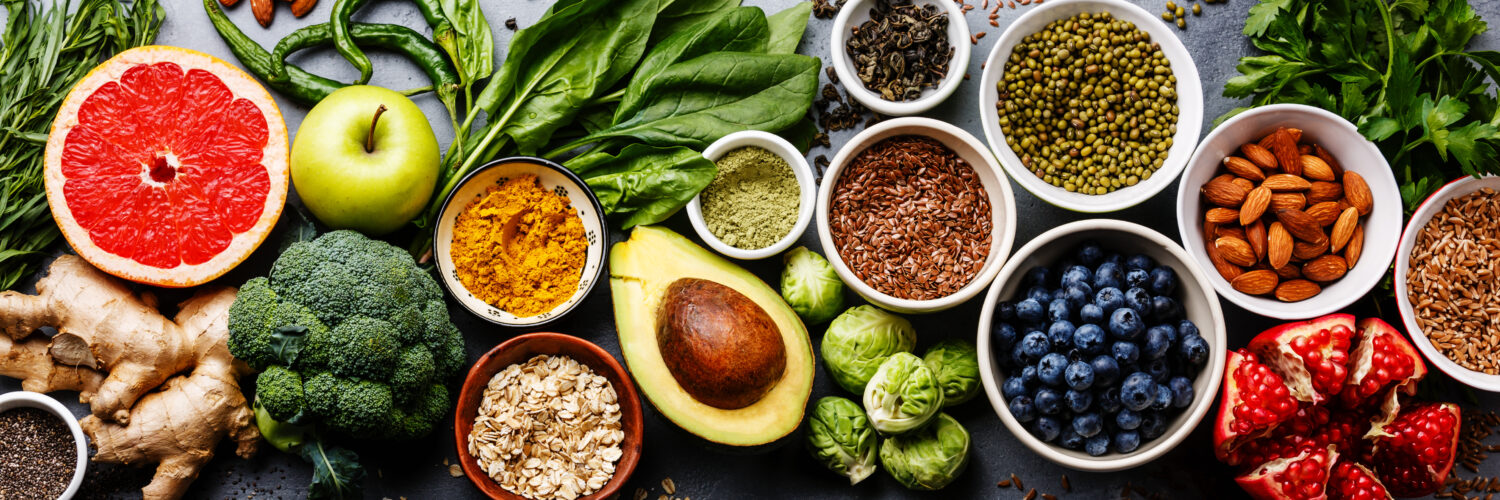
The raw food diet is a hot (and controversial) topic among nutritionists, doctors, chefs, and people who simply care about their health. You may have heard both good and bad things about this diet, often from the lips of passionately thin hippie types to the ears of fast-food eaters who will never put down the soda bottle. However, whether you may be considering a new diet or you are just curious about a different lifestyle, there are a few facts you should know before you think about diving into a raw food diet.
Benefits of Raw Food Diet
The American Dietetic Association (ADA) recommends eating two to four servings of fruit and three to five servings of vegetables each day, because fruits and vegetables are full of nutrients that are essential to a healthy body. These range from Vitamins A and C, for healthy skin, hair, and immune systems, to antioxidants such as beta-carotene, which lends a hand to healthy vision and may even help prevent cancer. The raw food diet is rich in these vital nutrients and full of fiber, which is essential to healthy digestion.
One of the immediate benefits of the raw food lifestyle is its value in maintaining a healthy weight. Raw food is extremely low in sugar and bad fats. In fact, the only sugars consumed are usually natural sugars found in fruits or honey. Some of the staples of the raw food diet, including avocados, coconuts, and seeds, give the body the healthier unsaturated fats it needs without causing you to pack on the pounds, or while helping you shed some of the extra pounds. These foods are also heart-healthy and help keep down cholesterol.
Most people who eat a typical, less-than-healthy diet complain of having no energy. However, many raw foodists report an increase in energy, possibly because their bodies are not being laden down with the saturated fats usually found in meats and other foods that are taboo for a raw diet. Also, because of often high levels of A and C vitamins found in uncooked fruits and vegetables, healthy hair and clear skin are two other perks cited by many raw food adherents.
Dangers of Raw Food Diet
While the raw food diet can be your key to perfect health, it can also be the destruction of a reasonably healthy person if you are not careful. Living the raw way is often rewarding, but it is also very demanding, requiring hours in the kitchen soaking, straining, chopping, and blending. Not to mention, healthy raw foodists must keep track of every food they eat, to be sure they are getting enough of a number of vital nutrients that are often lacking in raw foods.
Many raw foodists are at a high risk of vitamin deficiency. Some of the most common deficiencies include lack of protein, calcium, iron, vitamin B12, vitamin D, and omega-3 fatty acids. While some of these, such as protein, are found in raw foods, their digestibility is limited without cooking. For example, the antioxidant lycopene, which is found in tomatoes, is 30% less digestible when the tomato is uncooked. These nutrients stick to the plants’ cell walls and are excreted when uncooked; cooking helps break down these cells to aid the nutrients’ absorption into the body.
Along with vitamin deficiency, which can lead to serious malnutrition, raw foodists stand at an increased risk of food poisoning. While most raw foodists are also vegans, and do not eat meat or meat by-products, there are some who consume raw eggs, unpasteurized milk and milk products, and uncooked fish dishes like sushi. Cooking these foods kills harmful bacteria like the dreaded salmonella, so raw foodists’ exposure to these bacteria is tenfold the exposure that most people experience.
The raw food diet is a great way to lose weight, but it is possible to lose weight too quickly. Ask any woman who has recently given birth; the doctors all say to lose the extra weight slowly. Losing weight too quickly can lead to weakness and lethargy, nausea and constipation, and heat-related and hormonal issues. Many women experience suddenly irregular menstrual cycles or a complete loss of their period, while men may experience lowered testosterone levels, which means lowered libido. One common risk associated with rapid weight loss in raw foodists is the loss of bone mass. The rapid weight loss coupled with a lack of protein and calcium in less-than-careful raw food aficionados can lead to serious bone problems.
The raw food diet can be especially dangerous for small children and pregnant women. In fact, it is recommended that children eat a regular diet even if their parents are raw foodists, because children’s nutritional requirements are different from those of a full-grown adult. Pregnant women may continue a raw food diet, using extreme caution and avoiding all uncooked meats or unwashed produce. It is never safe for a woman to begin the raw food diet during pregnancy.
Raw Food Menu
Leafy green vegetables are the cornerstone of the raw food diet. Salads, spinach, kale, broccoli, and cabbage are just a few of the leafy greens that provide most of the iron and calcium in a raw food diet, and a lot of the fiber as well. Because of the low fat and caloric content, you can munch on leafy greens almost all day long if you want to. Of course, raw foodists eat most other uncooked vegetables as well, with particular emphasis on avocados (which are actually fruits, like tomatoes) and sprouts like alfalfa.
Fruits, fresh and dried, are very popular breakfast, lunch, and snack foods for the raw food diet. Tropical fruits, such as mangoes, papayas, melons, and citrus fruits like oranges provide lots of carbohydrates and Vitamin C. Berries are strong sources of antioxidants and natural phytochemicals that may help prevent cancer. Fruits like apples and pears provide B complex vitamins and beta-carotene.
Nuts, seeds, and grains make up the rest of a typical raw food diet. Barley, almonds, cashews, coconut, oats, flaxseed, and walnuts are all high in protein, a vital nutrient for raw foodists. They are great for snacks and often supplement a healthy vegetable dinner. Some raw foodists even eat rice, soaked in water overnight and set out to “cook” in the sun.
Getting Started with Raw Food Diet
While some people can jump right into a new diet, or a new lifestyle, it may be easier if you transition slowly into the raw food lifestyle. This can make the difficulty in preparing food easier to get used to, and you may be able to avoid feeling like you haven’t had enough to eat if you cut out meats and other heavier foods slowly. Also, easing into the raw diet can help you lose weight at a healthier pace.
Beginning a raw food diet may also be a good time to begin taking vitamin supplements, if you don’t already. A multivitamin with iron is the best choice, but B-Complex, calcium, iron, and omega-3 supplements can also be taken in lieu of a multivitamin. Vitamin D is also crucial for raw foodists who do not eat meat. If you are careful to make sure that every meal includes these necessary vitamins and minerals, and you don’t forget your multivitamin supplement, you don’t need to worry about undernourishment.
When preparing beans, grains, and seeds, try to soak most of them in water to soften the cell walls and make the nutrients more easily digestible. Include these in at least two meals and a snack throughout the day, and do the same with leafy green vegetables. Bring nuts or dried fruits with you wherever you go so that you have food options in case you get hungry throughout the day, and find out if there is a raw food restaurant nearby.
Here are a few raw food recipe ideas just to get you started. For breakfast, raw muesli is a filling and healthful dish that tastes as good as cooked food. A light, tasty salad with a tropical fruit smoothie is the perfect pick-me-up for lunch; and a hearty, nutty, vegetable-rich warm soup makes a satisfying dinner for raw foodists and their unsuspecting meat-eating friends as well.
Raw Bircher Muesli
1 cup rolled oats
1/3 cup slivered almonds
½ grated apple
¼ cup goji berries
1/4 cup dried mulberries
2 tbsp chia seeds
1 3/4 cups homemade almond milk (if you want to use store bought instead, you might try 1 cup almond milk and 1/2 cup coconut milk yogurt for a rich, creamy texture!)Place all ingredients in a bowl and soak overnight. Dig into breakfast bliss.
(Recipe from choosingraw.com)
Strawberry Mint Smoothie
2 cups strawberries
1 tbsp coconut oil
2 tbsp flax meal
1 handful mint leaves (lots)
3 cups green tea
1/8 tsp cayenne
1 cup pineapple
2 oranges
1-2 handful greens
1 shot of SteviaAdd all ingredients into your blender and blend until smooth and creamy.
(Recipe from raw-food-for-the-beginner.com)
Garden Veggie Soup
2-3 cups water
1 cup broccoli florets, chopped
1/2 cup carrots, chopped
1/4 cup celery, chopped
1/2 cup tomato
1 clove garlic
3 tbsp parsley
1/2 tsp sea salt
1/4 cup soaked cashews
1/4 avocado
Blend in high-speed blender for best results. Blend until soup is nice and warm. Pour in a serving bowl and enjoy!
(Recipe from welikeitraw.com)
Resources:
WebMd
Mayo-Clinic
Livestrong.com




Add comment